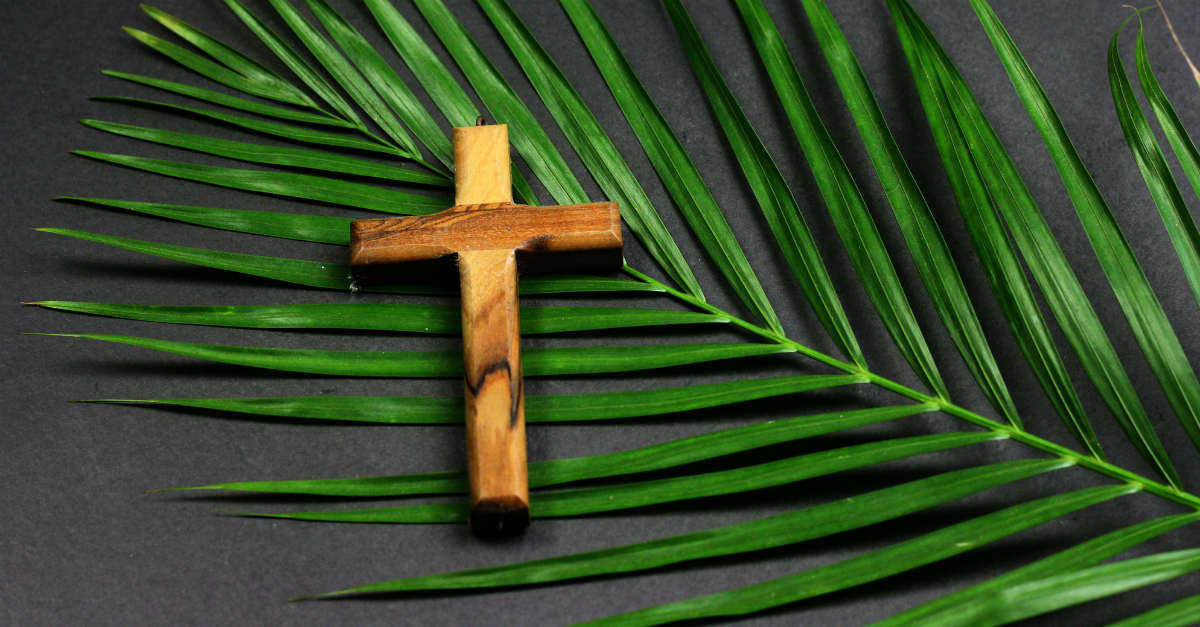
Christians worldwide observed Palm Sunday on March 29, 2026, with processions, church services, and renewed calls for peace, amidst ongoing geopolitical tensions. The observance, marking the beginning of Holy Week and commemorating the entry of Jesus Christ into Jerusalem, took place across numerous countries, reflecting the continent’s growing Christian population and highlighting the significance of the event for billions of faithful.
Palm Sunday traditionally symbolizes victory and peace, as depicted in the biblical account of Jesus’s arrival in Jerusalem where crowds welcomed him with palm branches. This year, however, the celebrations were interwoven with concerns about global instability and economic hardship. The event served as a reminder of the core Christian values of humility and sacrifice, prompting reflection on the role of faith in a world grappling with conflict and uncertainty.
Global Observances and Religious Leaders’ Messages
In Nigeria, large congregations gathered in open-air services across major cities including Lagos, Abuja, and Port Harcourt, waving palm fronds and singing hymns. Many churches held processions within their premises and along adjoining streets, with clergy blessing the branches, which congregants took home as symbols of faith. Despite economic pressures, attendance remained high, with several churches reporting full congregations and multiple services to accommodate worshippers. The Christian Association of Nigeria (CAN), led by Archbishop Daniel Okoh, issued a statement urging leaders to demonstrate empathy and alleviate the burdens faced by Nigerians. “That choice still speaks to us today,” CAN stated, referencing Jesus’s humble entry into Jerusalem on a colt, contrasting it with the trappings of power. The association noted that the rising cost of living and global tensions, particularly involving Iran, Israel, and the United States, were impacting the nation’s economy, with fuel prices increasing significantly.
Across Europe, longstanding traditions continued. In Spain, elaborate palm weaving was a prominent feature, while community parades marked the occasion. Jerusalem, traditionally a central location for Palm Sunday celebrations, experienced unusual restrictions. Israeli police reportedly blocked access to the Church of the Holy Sepulchre for the Latin Patriarch of Jerusalem, Cardinal Pierbattista Pizzaballa, and the Custos of the Holy Land, Fr. Francesco Ielpo, preventing them from celebrating the Palm Sunday Mass. “This incident is a grave precedent and disregards the sensibilities of billions of people around the world,” a statement from the Patriarchate read. French President Emmanuel Macron condemned the police action, stating that worship “for all religions” must be guaranteed in Jerusalem. He pledged his support to the Latin Patriarch and the Christian community in the Holy Land, describing the incident as “a worrying series of violations of the status of holy places.”
International Reactions and Political Developments
Further complicating the situation, reports emerged that South Africa had been invited to the G7 Summit, while France announced plans to expand its nuclear arsenal under President Emmanuel Macron. Macron’s condemnation of the Israeli police action followed previous statements regarding Russia, pledging no “respite” for the country amidst the ongoing war in Ukraine. The statement on X (formerly Twitter) read: “J’apporte mon plein soutien au patriarche latin de Jérusalem et aux chrétiens de Terre Sainte, empêchés de célébrer la messe des Rameaux au Saint-Sépulcre. Je condamne cette décision de la police israélienne, qui s’ajoute à la multiplication préoccupante des violations…”
The events surrounding Palm Sunday highlight the intersection of religious observance, geopolitical tensions, and the challenges faced by Christian communities worldwide. The incident in Jerusalem, in particular, underscores the complexities of religious freedom and access to holy sites in a region marked by ongoing conflict and political maneuvering. The observance serves as a poignant reminder of the enduring message of peace and hope central to the Christian faith, even amidst global uncertainty.