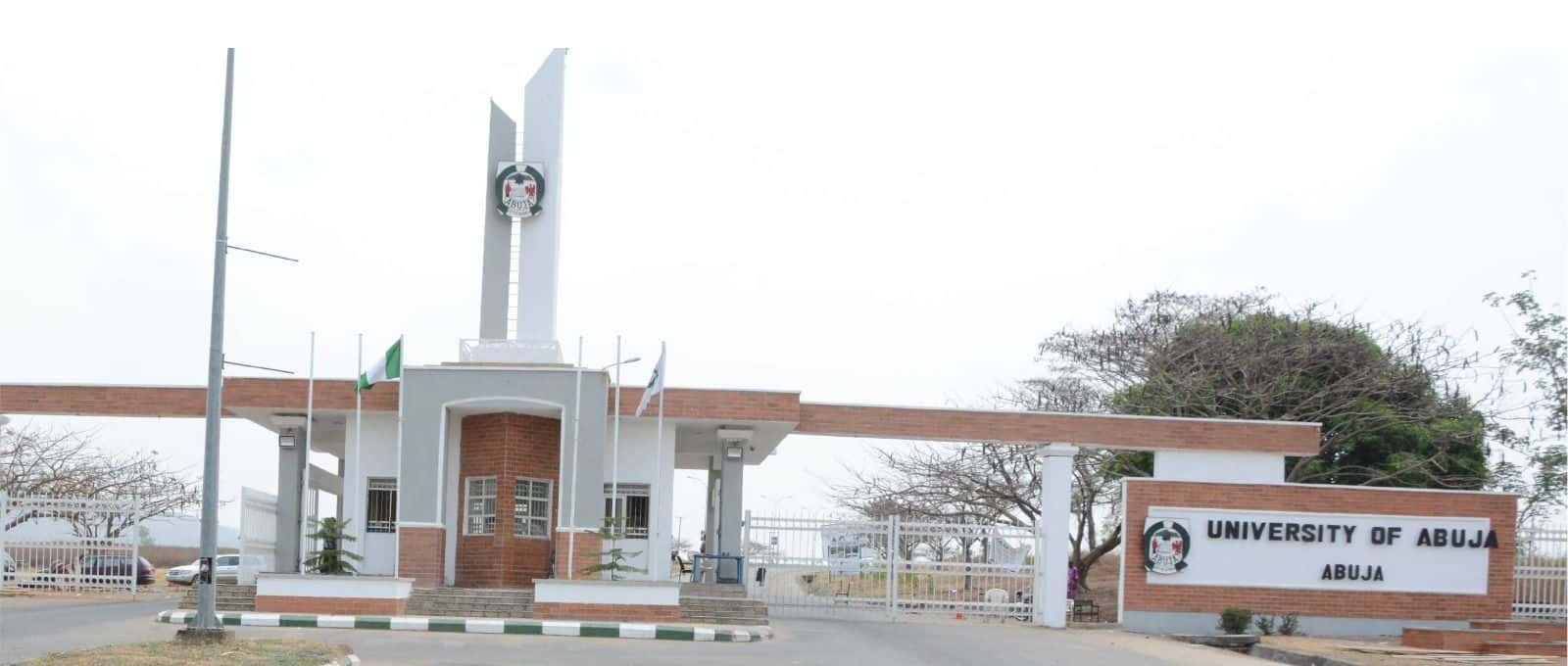
Yakubu Gowon University, formerly University of Abuja, is set to graduate 12,624 students during a combined convocation ceremony scheduled to take place between April 10 and April 18, 2026. Professor Hakeem Babatunde Fawehinmi, the Vice-Chancellor, announced the details of the event, marking his first convocation since assuming office. The ceremony will feature a range of activities, including academic showcases, public engagement sessions, and the conferment of honorary doctorate degrees.
The university’s 29th and 30th combined convocations will be held at the Convocation Square. The 29th convocation, representing the 2022/2023 academic session, will graduate 7,158 students, with a breakdown of 48 achieving First Class, 2,048 attaining Second Class Upper, 4,418 securing Second Class Lower, and 644 graduating with Third Class Honours. The 30th convocation, for the 2023/2024 academic session, anticipates the graduation of 5,466 students, including 29 First Class graduates, 1,395 Second Class Upper graduates, 3,091 Second Class Lower graduates, and 951 Third Class graduates. Furthermore, the institution intends to offer automatic employment to the overall best graduating students from both sets, recognizing their academic achievements.
Convocation Details and Academic Achievements
Professor Fawehinmi stated that a total of 12,624 students will graduate across the two sessions. He highlighted the university’s current student population of nearly 40,000, with projections reaching 50,000 by 2030. The Vice-Chancellor emphasized the urgent need for infrastructural expansion, noting, “There is a sense in which we can tell Nigerians that this federal university needs massive expansion of infrastructure to become the University of our dreams.” He also revealed that over 100 academic staff have recently been promoted to professorial ranks, representing the highest number in the university’s history. Efforts are ongoing to enhance staff training and welfare, alongside student services.
The university maintains strong accreditation standards and has secured significant research funding, including a N4 billion intervention specifically for the College of Health Sciences. Notable advancements have been made in medical and public health research, particularly in studies related to cardiovascular and sickle cell disease. The institution’s growing global presence is evidenced by research collaborations and student participation in international competitions, exemplified by the selection of a student team to represent Nigeria at a global food systems event in Rome later this year. Details of the honorary doctorate recipients include Professor Yusuff Olaolu Ali, SAN, Mr Paul Odili, and Mr Emmanuel Ayuba Iza, acknowledging their contributions to their respective fields.
Institutional Developments and Challenges
Professor Fawehinmi outlined several completed and ongoing infrastructure projects, including new administrative buildings, a computer-based testing centre, expanded laboratories, improved digital connectivity, and solar-powered staff quarters. Plans are underway to construct 1,500 student bed spaces through a public-private partnership. However, the Vice-Chancellor acknowledged ongoing challenges, including funding constraints and land encroachment, stating, “Despite these achievements, we are not unmindful of the inherent challenges we must continue to address. With our growing student population, the need to expand infrastructure is becoming more pressing.” He also addressed recent disciplinary actions, noting that 28 students were expelled earlier in the year for various offenses, emphasizing the university’s commitment to maintaining a disciplined learning environment.
Reflecting on past leadership turbulence, Professor Fawehinmi indicated that the university had experienced a period of instability marked by tension and disunity, resulting in three acting Vice-Chancellors within a short timeframe. He expressed satisfaction that this period of difficulty has now passed. Looking ahead, the Vice-Chancellor expressed confidence in the institution’s future, contingent upon strategic planning, effective management, and strong partnerships with government, alumni, the private sector, and development partners. He concluded by appreciating the role of the media in promoting the university’s activities and achievements.