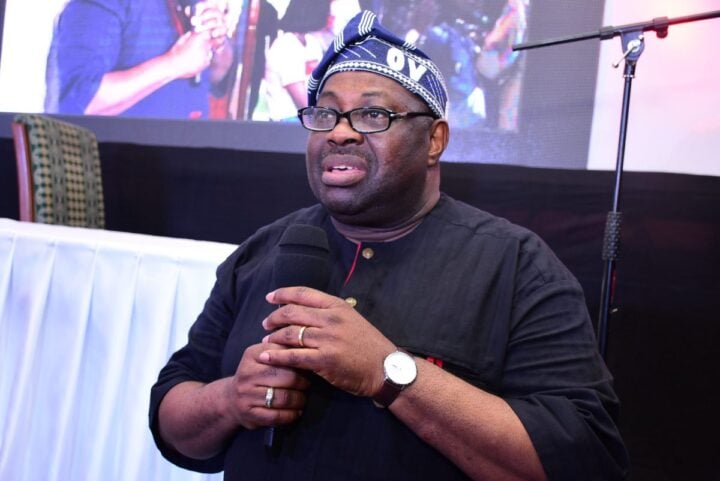
The 2027 presidential poll is set to be a highly competitive and contentious affair, according to a prominent figure in Nigerian politics, Chief Dele Momodu. Drawing from recent discussions at a key academic gathering, Momodu emphasized the necessity for the youth to engage actively in the electoral process, warning that the upcoming general elections will be marked by intense rivalry and potential confrontations among various political factions. His insights were shared during a reading session organized by the OAU Library in Ile-Ife, Osun State, as part of the annual Library Week celebrations.
Momodu, a respected leader of the African Democratic Congress, stressed the importance of moving beyond mere theoretical debates and focusing on practical solutions. He acknowledged the significance of political theory but reminded attendees that real change requires action. Momodu highlighted the immense responsibility weighing on him as he navigated his political journey, noting that the stakes of this election extend far beyond personal ambition. He expressed a clear sentiment, stating that “politics, especially the presidential election, is going to be a war,” reflecting the heightened tensions expected in the upcoming contest.
During the event, Momodu addressed the broader implications of the political climate in Nigeria. He underscored the challenges faced by various political parties, including the African Democratic Congress and the People’s Democratic Party, which are currently grappling with internal leadership issues. The uncertainty surrounding their participation in the 2027 polls adds another layer of complexity to the situation. Momodu's remarks underscored the fragility of political alliances and the need for unity among opposition groups.
As the nation watches closely, the significance of this election cannot be overstated. With the president of Nigeria holding a position of immense power, the stakes are higher than ever. The concerns raised by Momodu serve as a reminder of the critical role that informed citizens play in shaping the future of the country. His call for practical engagement resonates deeply, urging the public to remain vigilant and proactive in the face of evolving challenges.
Understanding the Political Landscape
The discussions at OAU Library were not merely about political strategy but about the very fabric of Nigeria’s democratic process. Momodu’s comments highlighted a pivotal moment for the youth, who are increasingly recognizing the urgency of participating in elections. His emphasis on practicality over theory was a direct response to the realities faced by many Nigerians, emphasizing the need for informed and engaged voters.
Contextualizing the Event
The Reading Time event, organized by the OAU Library, serves as a critical platform for fostering a culture of learning and reflection. It is more than a ceremonial occasion; it is a reaffirmation of the values that sustain knowledge and scholarship in the nation. By encouraging participants to reconnect with the written word, the event aims to cultivate a deeper appreciation for education, which is essential in navigating the challenges of the upcoming elections.
Implications for the Nation
The uncertainty surrounding the participation of key political parties signals a period of transition and uncertainty for Nigeria. As the leaders of major opposition groups address these concerns, the public remains on edge, eager to see how these issues will shape the electoral outcome. Momodu’s insights remind citizens of the power of their voices and the importance of staying informed in this pivotal year.
In conclusion, the 2027 presidential poll is poised to be a defining moment in Nigeria’s political history. With the guidance of leaders like Dele Momodu, the nation stands at a crossroads, where the choices made today will influence the future for generations to come.

