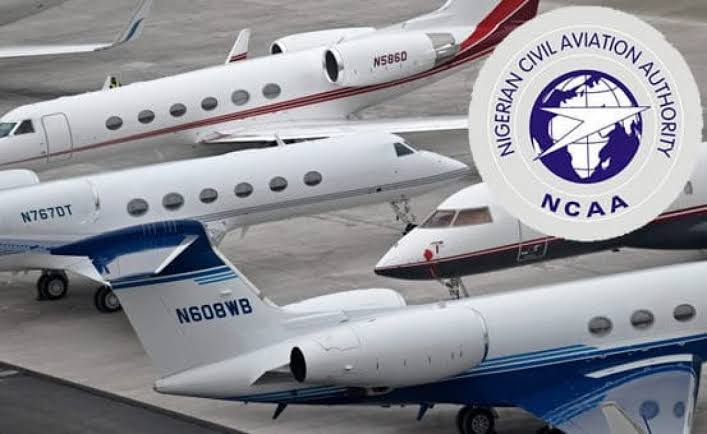
Michael Achimugu, Director of Public Affairs and Consumer Protection at the Nigeria Civil Aviation Authority (NCAA), issued a formal warning to airlines on Tuesday, urging them to improve transparency when communicating flight delays caused by operational problems. The statement, posted on his X account, emphasized that passengers must receive accurate information about the true reasons for delays, particularly those related to fuelling, to make informed travel decisions.
Achimugu cautioned airlines against providing misleading or inconsistent updates during prolonged delays, noting that vague explanations such as “bird strike” or uncertain departure times exacerbate passenger inconvenience. He highlighted that many affected travellers include government officials, visa applicants, students and businesspeople, all of whom suffer when airlines fail to disclose factual causes. The director also reminded carriers that passengers stranded late at night should be offered hotel accommodation where necessary.
Regulatory Response and Monitoring Measures
The warning follows concerns expressed by Capt. Chris Najomo, Director‑General of Civil Aviation (DGCA), who has ordered intensified monitoring of flight operations by consumer‑protection officers. Najomo’s directive aims to ensure that airlines adhere to higher standards of communication and passenger care, reducing the frequency of avoidable disruptions.
According to Achimugu, while some operational challenges may lie beyond an airline’s immediate control, the responsibility to mitigate inconvenience remains with the operator. He argued that providing passengers with the option to re‑book alternative flights is a basic duty, especially when delays threaten participation in critical events. “The challenges may not be the fault of the airlines sometimes, but it is the responsibility of the operator to mitigate the inconvenience of paying passengers by letting them make the choice to book another flight to prevent missing out on extremely important events. This is a no‑brainer,” he said.
Specific Guidance for Airlines
Achimugu outlined clear expectations for airlines when issuing operational updates. He urged carriers to avoid stating “bird strike” if the underlying issue is fuel shortage, to refrain from promising a take‑off within a specific timeframe unless the aircraft is on the ground and a reliable ETA exists, and to eliminate generic 20‑minute delay announcements when the aircraft’s status is uncertain. These practices, he argued, create false hope and can compromise passenger safety, particularly when flights depart at hours that may affect destination‑city conditions.
“Do not say, ‘Bird strike’ if the problem is fuel. Do not say, ‘We will take off in 30 minutes,’ if you are not sure of fuelling. Do not announce a 20‑minute delay if the operating aircraft is not on ground and has no ETA yet,” Achimugu emphasized.
The director also stressed that airlines should provide timely accommodation for passengers forced to wait overnight due to delays. He noted that such measures not only safeguard traveller welfare but also align with international best practices endorsed by aviation regulators worldwide.
Implications for Passengers and the Aviation Sector
Improved transparency is expected to enhance passenger confidence in Nigeria’s aviation system, which has faced criticism for recurrent delays and opaque communication. By mandating accurate disclosures, the NCAA aims to reduce economic losses incurred by travellers who miss appointments, examinations or business engagements because of uncertain flight schedules.
Industry observers anticipate that airlines will need to revise internal communication protocols and train staff to deliver precise, real‑time updates. Failure to comply could invite further regulatory scrutiny, including potential penalties under the Civil Aviation Act. Moreover, consistent reporting may alleviate the burden on consumer‑protection officers, allowing them to focus on safety oversight rather than mediating passenger complaints.
Looking ahead, the NCAA plans to publish periodic reports on airline compliance with the new transparency guidelines. Achimugu indicated that the authority will continue to work closely with the DGCA to monitor progress and address any emerging challenges. Passengers are encouraged to report instances of misleading information to the NCAA’s consumer‑protection unit, which will investigate and recommend corrective action where necessary.