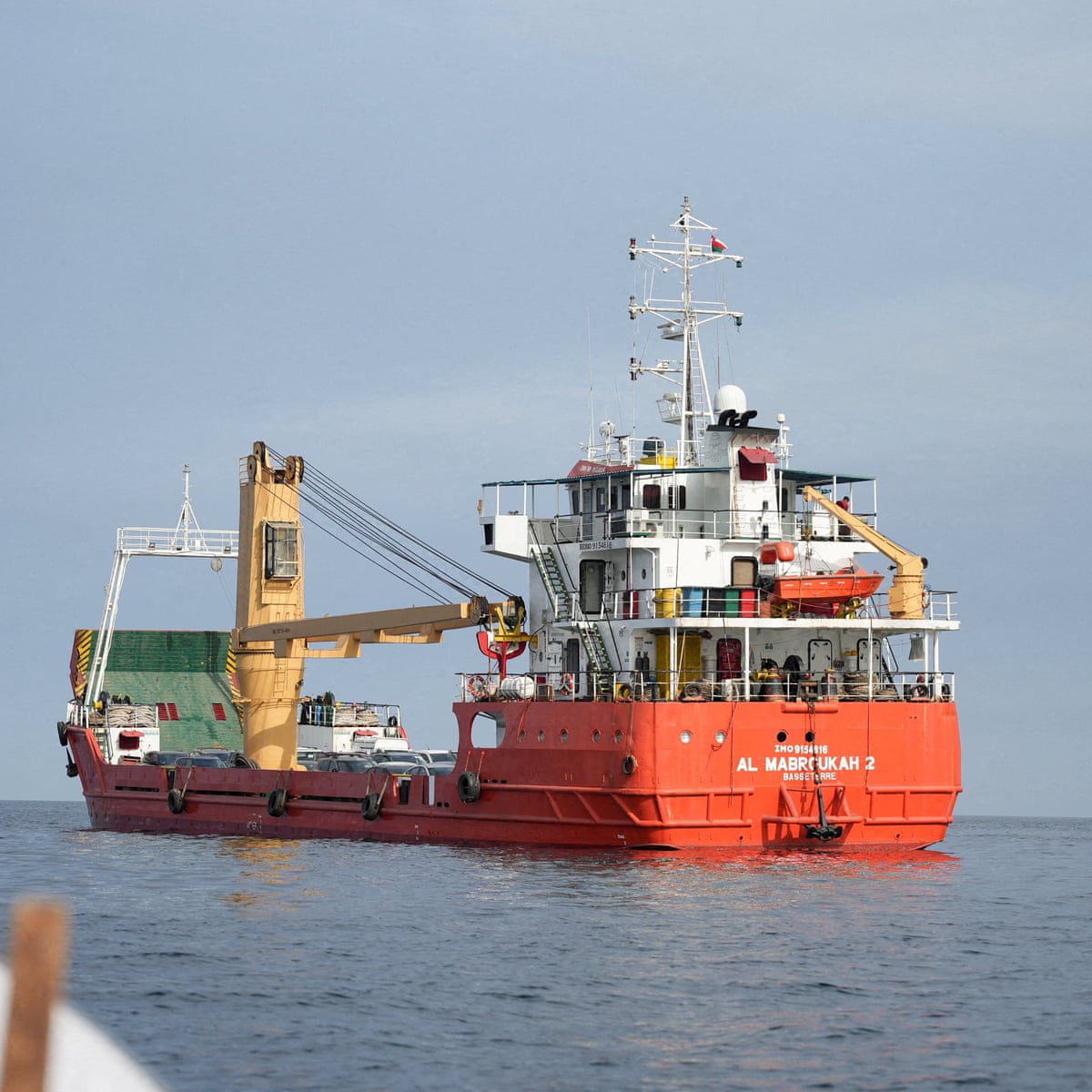
At least eight oil and gas tankers navigated the Strait of Hormuz on Saturday following Iran's temporary declaration of the strategic waterway as open amid a ceasefire in the Middle East conflict, according to maritime tracking data.
The brief reopening of the vital trade route came during a pause in regional hostilities, allowing commercial vessels to transit through one of the world's most important energy chokepoints. The Strait of Hormuz handles approximately 20% of global oil shipments, making any disruption there a matter of international economic concern.
Strategic Importance of the Strait
The Strait of Hormuz, located between Iran and Oman, represents a critical artery for global energy markets. Its narrow passage connects the Persian Gulf with the Gulf of Oman and the Arabian Sea. The waterway's significance extends beyond mere geography, as it serves as the primary export route for oil from Saudi Arabia, Iraq, Kuwait, and other Gulf states to international markets.
Maritime security experts note that the temporary opening demonstrates how quickly commercial shipping can resume when political tensions ease, even briefly. The eight vessels that passed through on Saturday included both crude oil tankers and liquefied natural gas carriers, indicating the route's importance for multiple energy commodities.
Regional Context and Implications
The ceasefire that enabled this brief reopening represents a fragile moment in Middle Eastern diplomacy. While the duration of the open passage was limited, the event highlighted the interconnected nature of regional security and global energy supplies. Shipping companies and energy traders closely monitor such developments, as even temporary disruptions can cause significant price volatility in oil markets.
International observers emphasized that the incident underscores the strategic leverage held by nations bordering the strait. The ability to control or restrict passage through this waterway gives regional powers considerable influence over global energy markets and international relations. The brief reopening serves as a reminder of both the vulnerability and resilience of critical maritime trade routes.
As tensions in the region continue to evolve, the maritime community remains watchful for further developments regarding the Strait of Hormuz. The incident demonstrates how quickly commercial shipping can adapt to changing political circumstances, while also highlighting the ongoing importance of diplomatic efforts to maintain stability in this crucial waterway.